
Back

7 minutes
Stories
Thinking About Selling Your Bread? Here's How to Know if You're Ready
Alisha Fuller


So you’ve been baking for a while, and friends keep telling you that you must start charging for your loaves, but you’re not sure that you’re ready. A lot of bakers reach this point: where your passion brings the possibility of income, and at some point, maybe even a business. But how do you know if you’re actually ready to take that next step?
This guide will walk you through a few key signs that you’re prepared to move from hobby baker to small bread business. It’s not about being perfect… It’s about understanding your process, being consistent, and knowing how to handle the shift from hobby to professional baking.
You Understand the Fundamentals

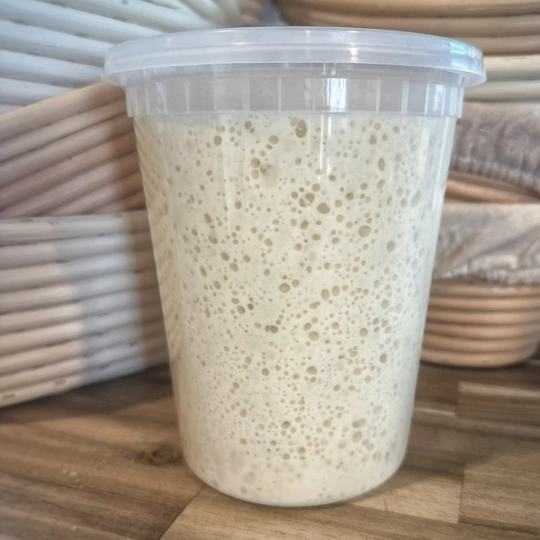
There are a lot of moving parts in sourdough, but some basics become clearer once you’ve spent more time with dough. Fermentation is a big one. Being able to recognize how dough behaves at different stages helps you make decisions, like when it’s ready to shape or when it might need a little more time.
You’ll also want to have a general handle on:
- Levain (or starter) timing and how that timing fits into your schedule
- Dough temperature throughout bulk fermentation
- How shaping affects structure and consistency
You don’t need it to be exact, but having a general idea of your process, timing and how that fits into your schedule helps keep things on track. There are many other factors to consider, but if any of these feel unpredictable or out of your hands, spend some time refining your process.
You Can Replicate Your Loaf

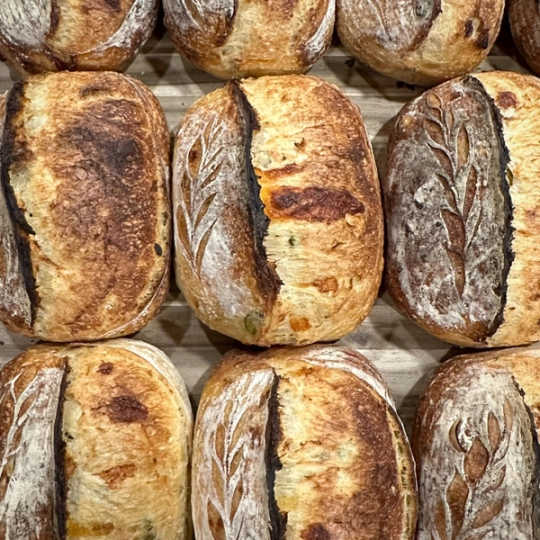
Consistency is about being able to bake the same loaf more than once. This doesn’t mean your bread needs to be perfect every time, but it should feel familiar.
When you bake, you should know:
- How your dough looks and feels at each stage
- When it’s ready to shape
- When it might need a little more time
- How temperature can change how the dough behaves
If your results are still unpredictable, that’s okay. It’s all part of the learning process. But if you’ve started to notice patterns in your bakes and you can get a similar outcome each time, that’s a solid step forward. Selling bread doesn’t just mean hoping for a good bake. It’s about knowing your dough well enough to control the process so you can deliver consistent, reliable loaves to others!
You Can Operate at Volume

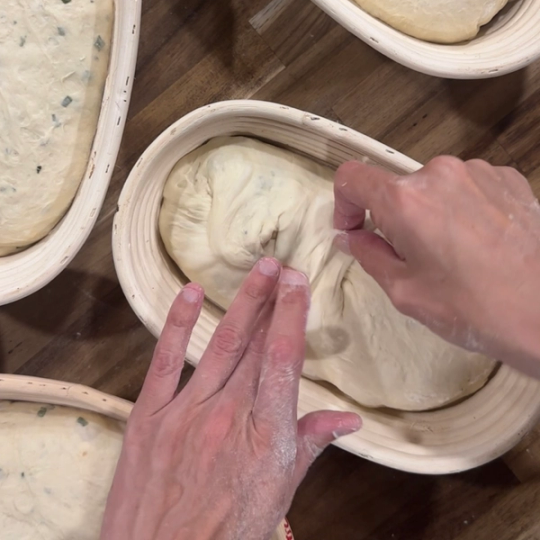
Scaling up changes everything. It’s not just about mixing more dough—it’s about how every part of the process can essentially change. To figure out where you might need to adjust, ask yourself:
- Are your mixing containers the right size for your batch?
- Do you have enough counter space to proof multiple loaves at the same time?
- Can your oven handle the increased load?
- Do you have fridge space?
- Do you have enough baskets/pans/proofing containers?
- Do you have a plan for cooling and packaging that doesn’t leave your counters covered in chaos?
What feels manageable with two or three loaves can quickly get overwhelming when you scale up. Pay attention to where your process starts to slow down or fall apart. You don’t need a perfect system yet, but it helps to know where your pain points are. These are the kinds of things that catch people off guard when they start to sell.
You Can Handle the Business Side
Once you start baking for others, your role shifts. It’s no longer just about making good bread; it’s also about managing the logistics that come with running a small business. You will need:
- A way to take payment that is simple for both you and your customers
- Clear answers about ingredients, storage, pickup timing, or custom requests
- A way to track orders and inventory
The clearer you are up front, the smoother things tend to go. Feedback is part of it too. Some people will rave. Others might have opinions you didn’t ask for. Learning how to filter what’s helpful and let the rest roll off is part of the learning curve. You don’t need to get it all right on day one, but it helps to have a sense of what’s coming so you can start building systems that support your process. Not every customer will be your customer, and that’s okay. You don’t have to cater to everyone. Set clear boundaries, protect your time, and create a workflow that actually works for you.
If you’re in the market for a tool to manage the business side of your bakery, look no further than the Simply Bread App! Take a variety of payment options, create a library of products, manage orders in real time, and set up pickup locations for your baked goods. Sign up today to make running your bakery easier.
You Understand Local Cottage Laws
Wherever you live, there will be rules around selling food made at home. These vary by state or region, but most include details about:
- What types of food products you're allowed to sell
- How your products need to be labeled
- Where you're allowed to sell (from home, direct delivery, markets, etc.)
Some areas make this simple with clear cottage food guidelines. Others may require:
- Local permits or business licenses
- Kitchen inspections
- Food safety certifications
Failing to comply with these regulations can lead to fines, delays, or shutdowns and they’re often harder to deal with after the fact. It’s worth doing the research ahead of time so you know exactly what’s expected. It doesn’t have to be overwhelming, but it does need to be done. Being informed protects your business and gives you more confidence moving forward.
Conclusion: You Don’t Need to Be Perfect. You Need to Be Ready

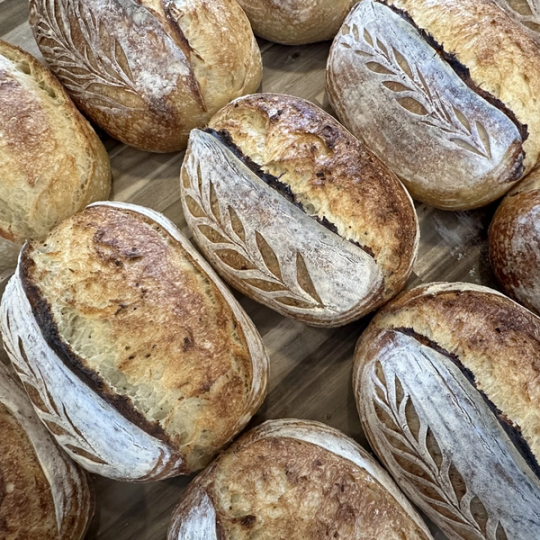
As you prepare to sell your bread, remember that perfection isn’t the goal. It’s about being ready. You don’t need everything figured out from the start, but you do need to understand the basics and be able to adjust when things come up. We won’t know exactly how to handle everything until we try, and we won’t know where our weak spots are until we encounter them. Along the way, we’ll figure things out, and new challenges will always arise. Start small, offer staples, test things out, and learn as you go. Focus on getting it right over time, and don’t be afraid to ask questions along the way.
Related stories

5 minutes
News
Hattie's Bread Box Bakery is on the Rise
Lauren Leone


10 minutes
News
Fig and Bean Bakery: Taking Gluten-free bread to new heights
Sam Stevens

2 minutes
News
Ensuring Safety and Quality: Simply Bread Ovens now shipping with NSF Certification
Simply Bread Co.


4
Recipes
Vegan Morning Buns Recipe
Lauren Leone / Lisa Allen

9
Baker tips
Branding Your Cottage Baking Business

5 minutes
Stories
Simply Bread Oven – Compact Commercial Grade Oven for Small Food Businesses
Liana Gailand


5 minutes
Recipes
Sonora Blueberry Lemon Babka with Karen Quinones
Karen Quinones

3 minutes
Recipes
Dark Pan Loaves | Simply Bread Recipe
The Simply Bread Team